Autumn has Arrived and with it New Challenges

October 1, 2025


Today I am celebrating my 30th newsletter since I started writing to you in early March 2020, just before the world went on hold for the pandemic! At the time, I didn’t yet know I would soon have to cancel the regional book tour for my first book with Sunbury Press about my dad’s experiences in Europe during WWII (Keeping the Lights on for Ike), nor did I yet have a contract for either of my two subsequent memoirs that Sunbury published, one in fall of 2021 about discovering my genetic family members (Finding Sisters), and then my grief memoir in spring of 2024 (That Day And What Came After).


I have finally finished all the audio files for Finding Sisters. The original submissions were returned last month for some requested editing to meet the Audible technical standards, mostly to take out audible breaths or silences that were a few seconds too long. I don’t yet know exactly when the audiobook version will be available for sure (hopefully very soon), but I can definitely claim that I have now narrated the audiobook versions for all three of my books with Sunbury.


Richard and I continue to pursue production possibilities for Weaving Penelope in 2026 and beyond, and we remain hopeful, though there are no official announcements to be made, though keep your fingers crossed for us for the summer of 2026. We will keep trying to get a full production of our script, but ain’t neither of us gettin’ any younger!


As some of you might have noticed, I updated my author website last spring, and I hope to add more of the essays I’ve been working on before the end of this year. I sent you a sample of an essay about my delightful meadow in the last newsletter. Other topics I’ve been writing about include aging (inevitable when you get to be my age, I suppose), some past memories of experiences and relationships, my mom’s struggle with dementia, and various other topics that pique my interest. The only real through-line is that all of it really has happened in my life, though I don’t expect it will turn into a published book any time soon.


However, most of the rest of my time and energy has been taken up recently with family events (wonderful times at my nephew’s wedding!) and an unexpected new health challenge. In fact, by the time some of you read this newsletter, I will have a brand new heart valve, which I hope will bring back my sense of well being and my energy and stamina, which have been lagging considerably in the last few weeks. As you might imagine, I’ve started writing a bit about that experience as well.


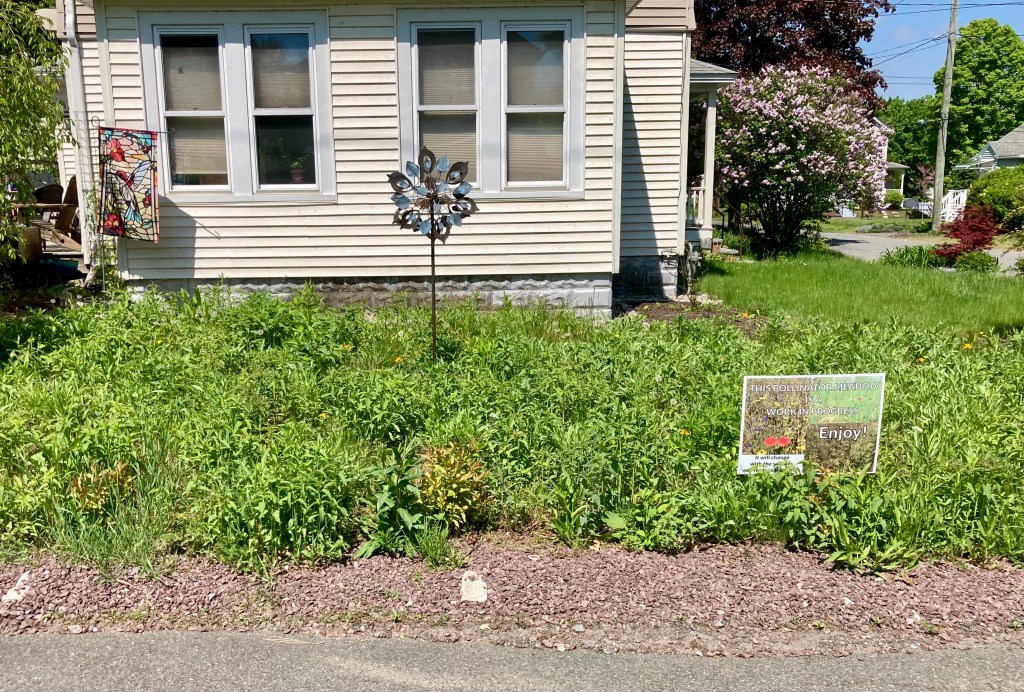
Not much else to add at this point, but I hope that next time you hear from me, I will feel re-energized and have lots more to say. In the meantime, enjoy an image of my late summer meadow this year.

Spring is now officially sprung!


April 2, 2025

Spring is sprung, the grass is riz.
I wonder where the birdies is.
Anonymous author


Though no one really knows for sure who or where this verse came from, many of us have heard it before, perhaps even know it by heart, though I’ve gotta say, my grass is definitely not looking like it’s gonna “riz” any time soon, though the birdies are definitely here. In fact many of them stick around for the winter, but the birds who went south are slowly coming back to the area, though my favorites, the hummingbirds, probably won’t be back until later this month or early in May. This year, we had a true winter with some serious snow for the first time in several years, and we are now heading into the roller coaster that is spring in New England. March, April, and even sometimes May, can be completely unreliable, weather wise, so there’s no telling what lies ahead of us. But the snow is gone (for now), and the sun seems to have returned every now and then, even if the wind can still be rather bitter.


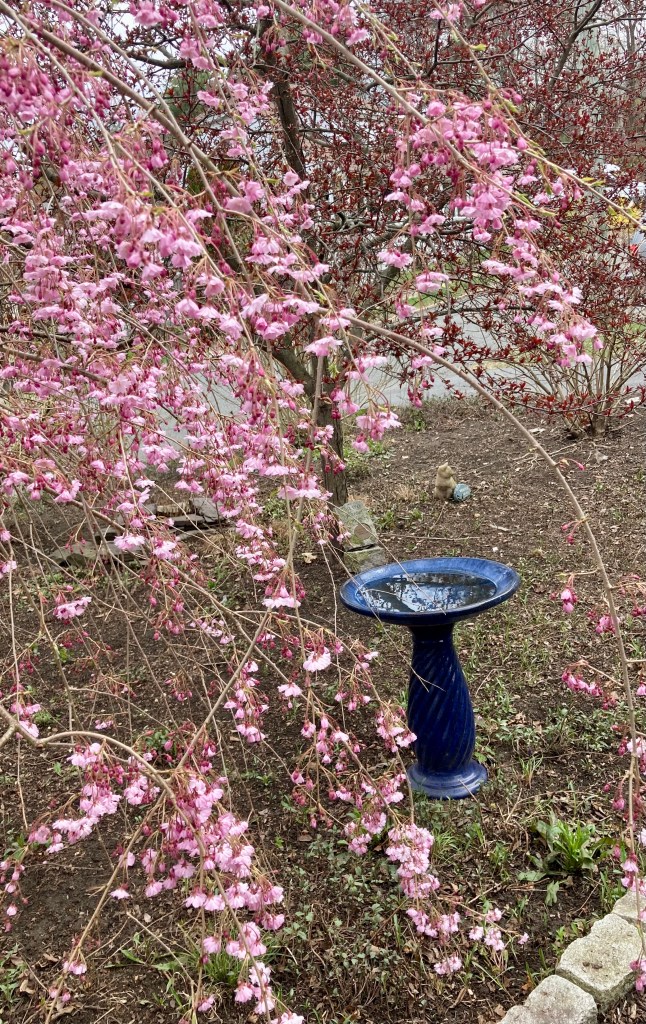
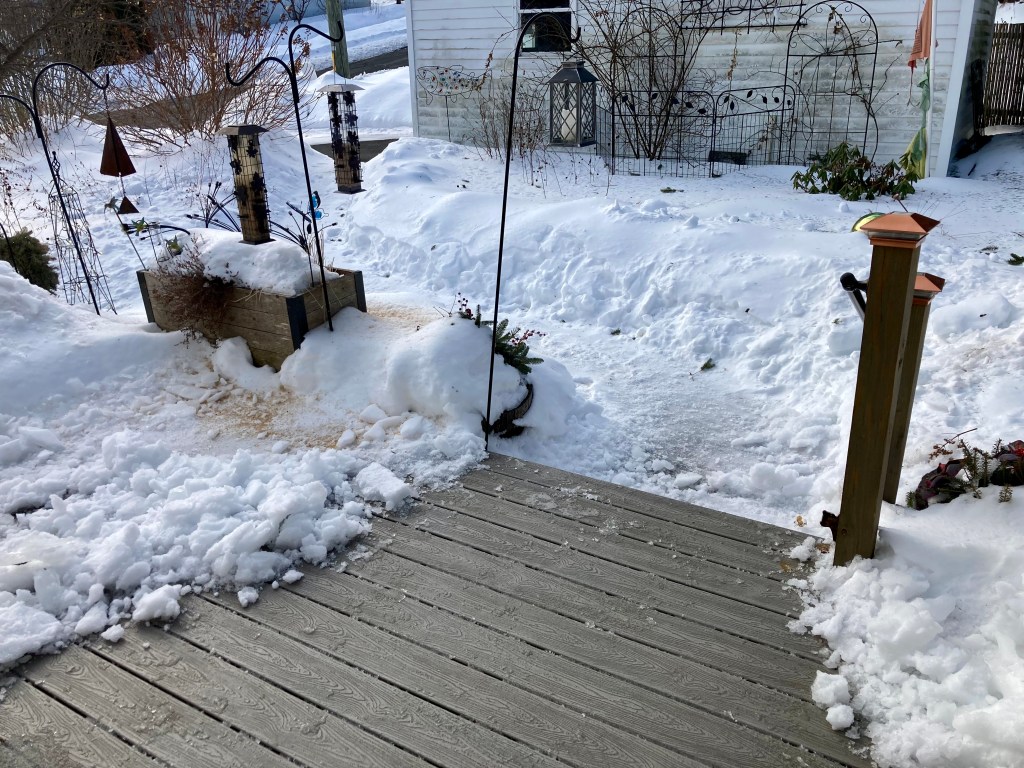
I’m including a photo of the snow-covered back yard from this past February (it’s thankfully now clear of the white stuff), but I’m also including a hopeful picture of my flowering cherry tree from last April below this, which allows me to dream about how soon the blossoms and leaves might be returning to those currently nearly bare skeletons. There are buds a-plenty but nothing is unfurling just yet. Hopefully soon. Another poet once said “hope springs eternal” (Alexander Pope, 1734), and this rings true for me, especially in the spring months. Though current politics can often feel like hope has gone into hiding, there’s nothing like new leaves and flowers to raise my spirits.

When last I wrote, there were lots of things in process, so here’s the latest report on my author activities. Last week, I finally finished all the audio files for the re-recording of the Finding Sisters audiobook. It’s now being reviewed and (keeping fingers crossed for no unexpected technical glitches) will hopefully be released later this spring. I had several successful in person events about the newest book (That Day And What Came After): talking about my writing process and reading segments from the book at a local senior center, a library, and as a selected author for my regional group, Straw Dog Writers Guild. I also participated last weekend on an author’s panel about our experiences with publishing, also sponsored by Straw Dog.

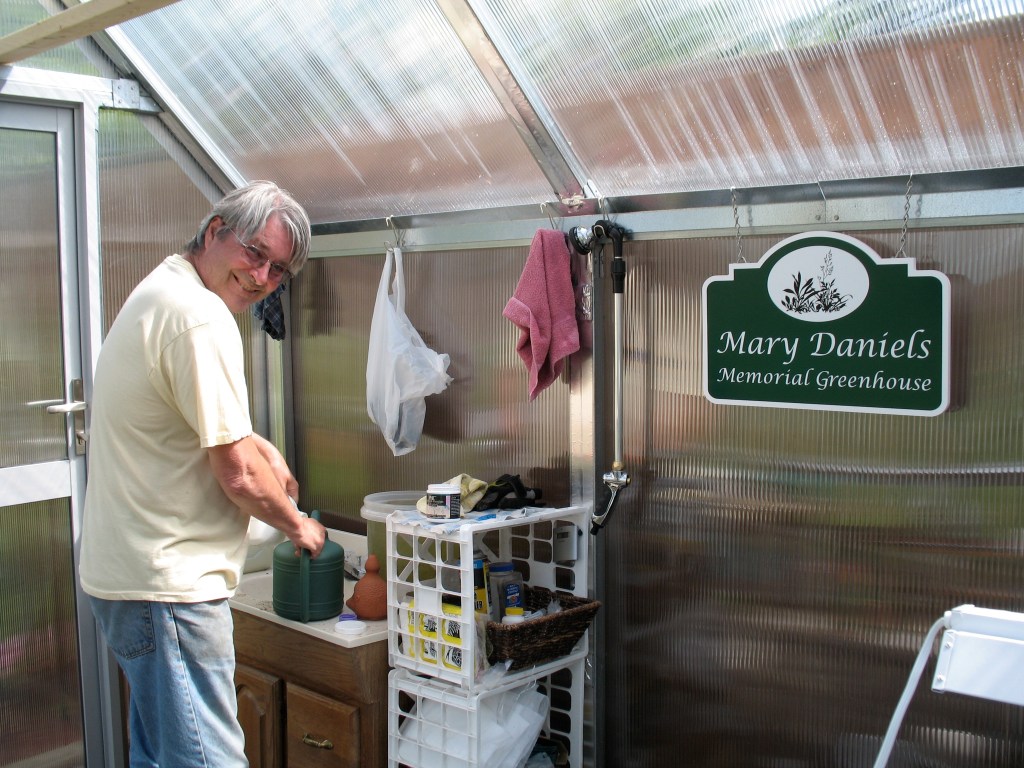
In February, I was finally able to record the podcast for my latest book, which ironically went live on Valentine’s Day. I guess it was a good thing that I used the phrase “the love of my life” in the subtitle. Here is the link to the recording, for anyone who might be interested. It’s about half an hour long, and you don’t need to open an account to listen. And as long as I’m talking about the love of my life and the coming of spring, below is one of the illustrations of Skip from the book you can enjoy while you listen. He’s mixing fertilizer in our greenhouse for his copious spring veggie plantings.


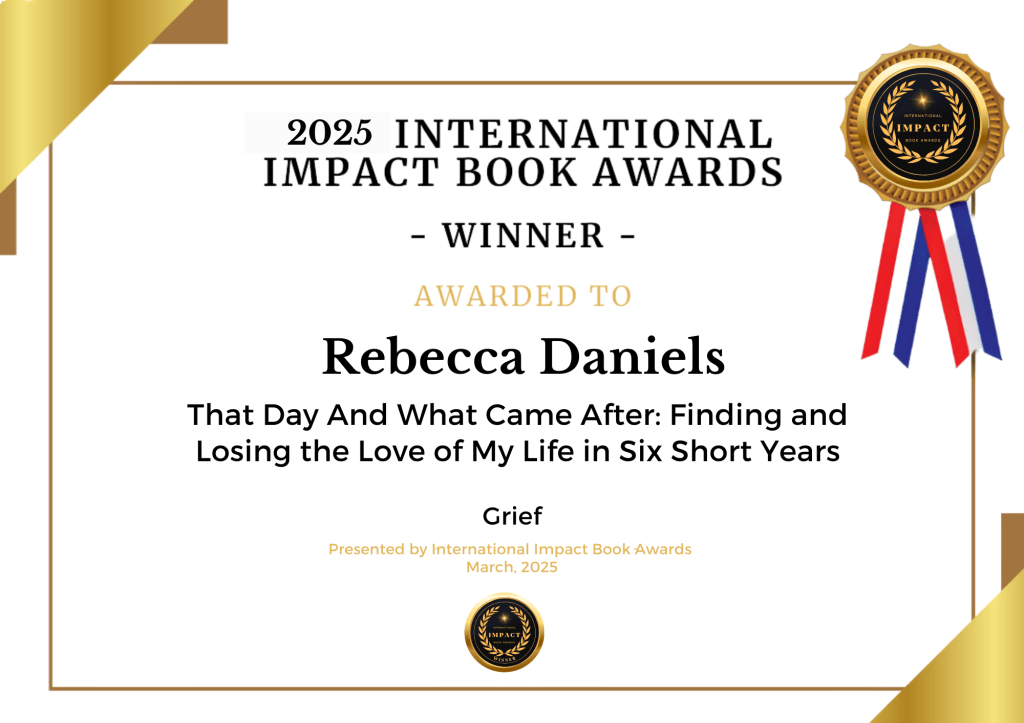
The book was recently selected as one of the March 2025 winners of the International Impact Book Awards in the Grief category. There appear to have been six winners out of 60 entrants in this category, and monthly winners get to boast with a digital sticker and certificate and compete with other monthly winners for a year-end grand prize. It’s not an important award, but it’s nice to be recognized, even in small ways, now and then.

Recently, I hired a web designer to update my author website for easier navigation. I’m also in the process of having her add photo galleries for all three books and, most importantly, we’re starting to create a system of indexing my past blog entries, so my thoughts can be tracked by themes throughout the years. I hope to have the entire website re-vamp completed this spring.

In terms of theatrical adventures, Richard, my co-playwright, and I continue to pursue possible full productions for Weaving Penelope, one at a university in Georgia, where a group of faculty members is currently reviewing the script with their students in mind, and another, lower tech version in Oregon, with Richard at the helm as director. Continue to keep your fingers crossed for us.

Though there’s no definitive new book project on my publishing horizon, I continue to write, mostly short essays about my life experiences, a project I have referred to before as my Mosaic Memoir, though it will likely not be in book form. If I were a famous writer, publishers might be interested in a collated volume of my random life experiences, but I’m not. Mostly, I’m just having a great time focusing on these memories and trying to get them in shape as essays, which seems to be the non-fiction equivalent of the fiction writer’s short stories.


And, of course, I’m eagerly awaiting the return of my meadow. Who knows what this spring will bring to my little corner of western Massachusetts. Last year, foliage was between mid-shin and knee level by mid-May, with only a few flowers to speak of until later in the season. I expect it to be a bit slower this year because we had a much deeper winter than we’d been having for the few years before that. But who knows? That’s what makes meadow-watching so much fun!

Editing For My New Book Starts in the Spring; So, What Am I Doing in the Meantime?

(January 3, 2023)

Happy New Year, everyone! I hope you are looking forward to 2023 as much as I am. In my October blog prior to the holidays, I told you that even though I didn’t yet have a specific commitment from the publisher, there was every reason to believe that my newest book would be published soon. I’m now delighted to report that my newest book, a grief memoir called That Day, And What Came After: Finding and Losing the Love of My Life in Six Short Years, has officially been scheduled by my publisher to start the work of editing and design in the second quarter of 2023, which means we’ll get underway in April or May. The last time my editing/design happened in the spring, the book came out in the fall, so I’m presuming this one will be on a similar schedule. So, in addition to the holidays, I was able to celebrate the formal acceptance of my third book with Sunbury Press.

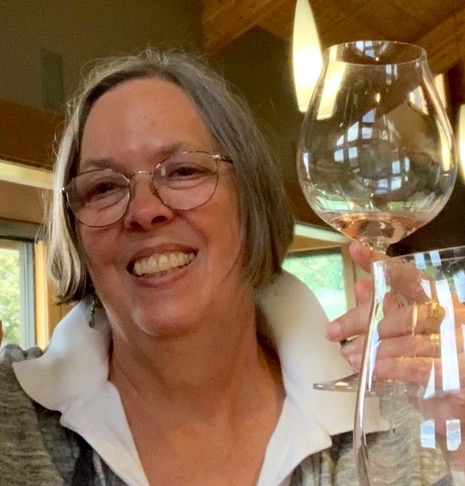
This image was taken the day before the first performance of Weaving Penelope in Oregon and before the good news about the memoir, but it’s the best celebratory photo I’ve taken in ages!

As I mentioned last time, now I will start making some very specific choices for possible illustrations for the book. I know for sure that I will use these photos. The first is the last photo I ever took of Skip, just three days before his death. It was not a happy morning that day because some drunk students had walked by the previous night, presumably on their way home from the bar to their nearby campus (not the university where I was teaching), and one lunkhead thought it might be funny to toss our full recycling bin (on the curb awaiting early morning pickup) through the back window of our car parked in the driveway. Pointless and opportunistic vandalism, pure and simple.

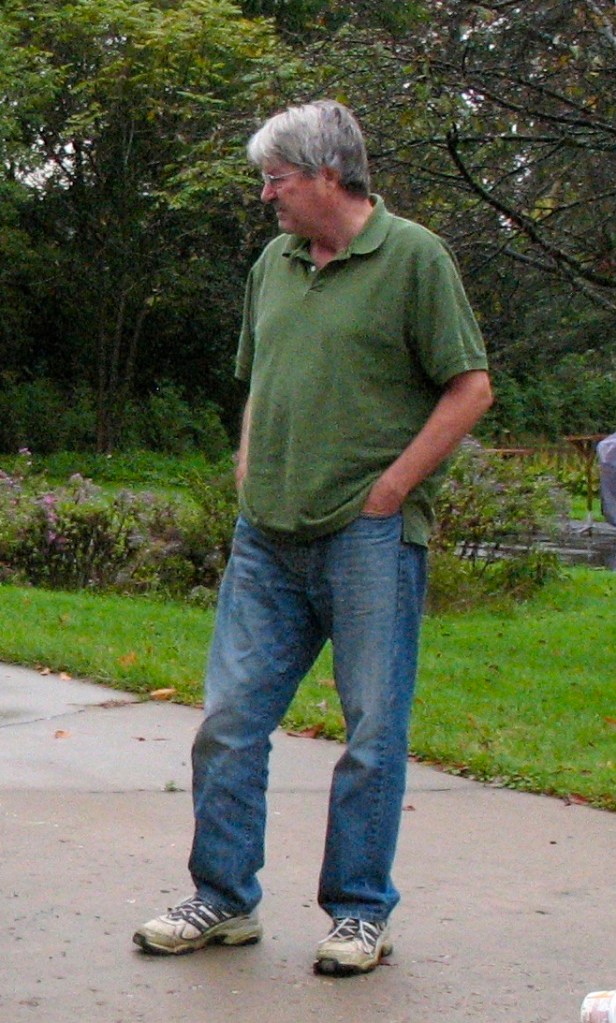
The pictures of the car were originally for insurance purposes, but I’m glad I included him in the frame of one of the photos I took that morning.

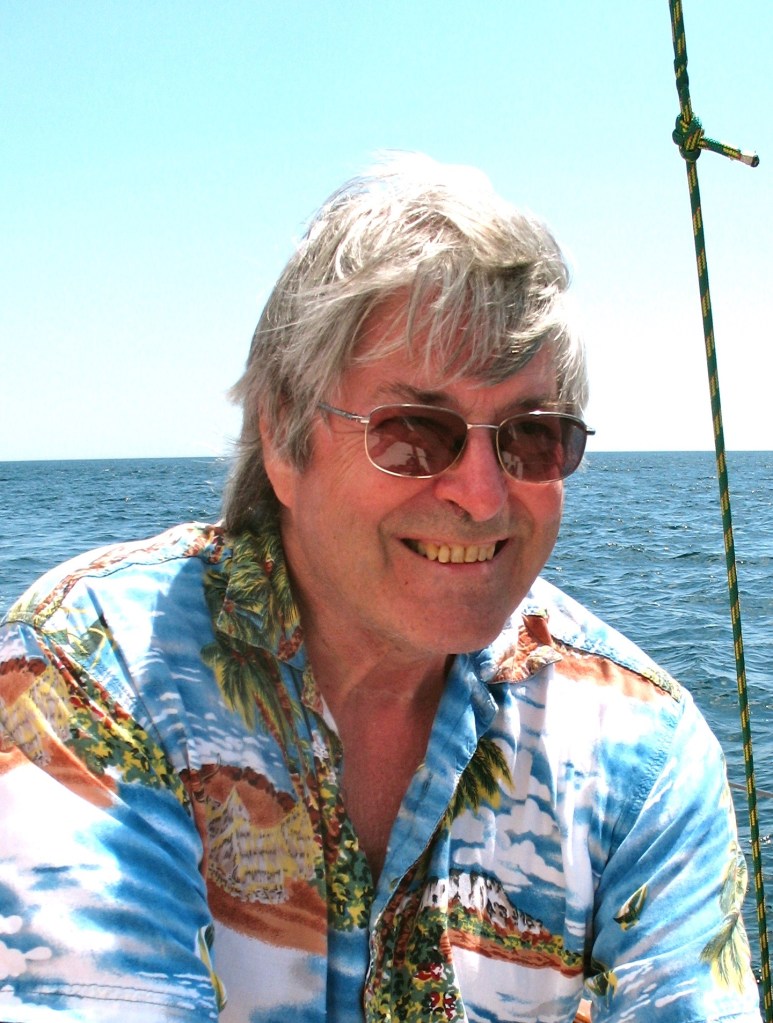
Another photo I know I will include is of Skip during our last vacation, just two months before his death. He loved the area around York Harbor, Maine, a place he had gone often throughout his life and was happy to share with me for the first time. And he love, love, loved being on the water. During that vacation, we took three boat trips in just two days out of Perkins Cove: a lobster boat demo tour, a large racing sloop that took us out onto the ocean some distance from shore, and a small sailboat with only us, the captain, and a handful of other passengers, where we heard the latest story about George Bush, Senior, who had recently grounded his boat in front of his Kennebunkport home, which resulted in his secret service detail taking over piloting when the boats got close to land from that point on.

It’s easy to see that being on the water brought Skip great pleasure.

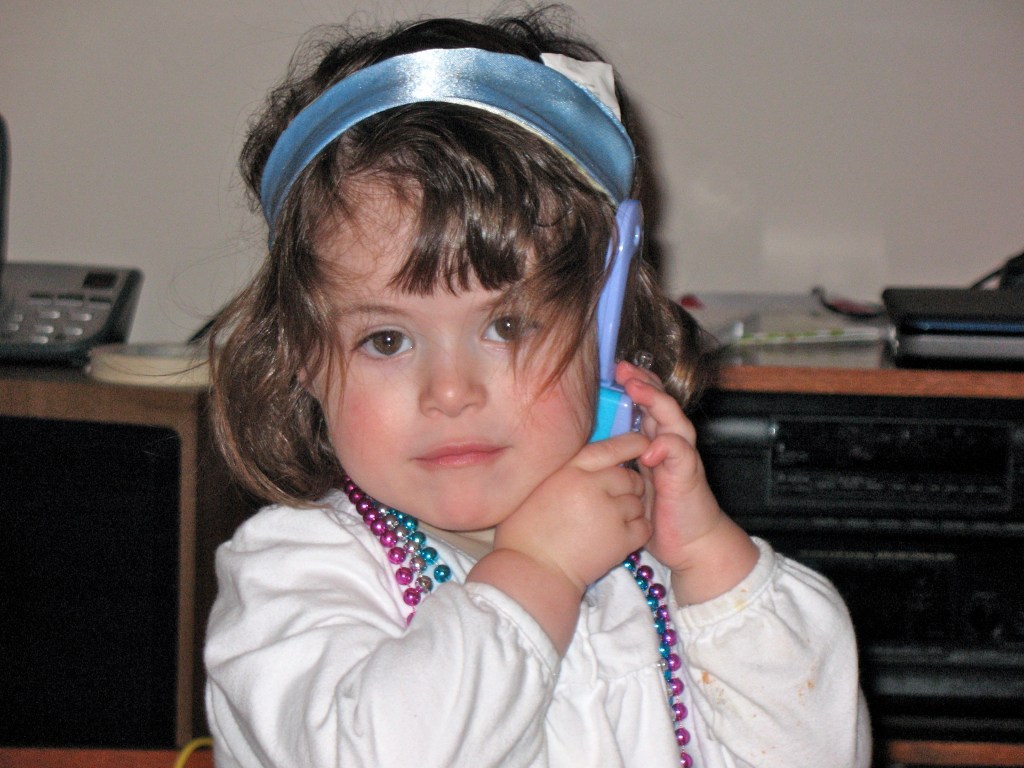
And I’m sure I will include photos of Skip and Maren, his first grandchild. The two of them had a very special sympatico from the moment they laid eyes on each other. Though she was only 3 ½ years old when her “Papa” died, and though they didn’t have a habit of phone conversations while he was living, she continued to talk with him on her plastic phone with a direct line to Heaven for many weeks after he disappeared from her day to day life.

Top photo is from our summer visit in June 2009.

The second is from March 2010 – I suspect she got that phone for Christmas the previous year.

And the second grandchild came just five months before Skip’s sudden death. He doted on that little boy and was looking forward to watching him grow up and teaching him how to play baseball and to be a Red Sox fan. I’m sure he would have been just as devoted to Trenton as he was to Maren, though he never got the chance.

Skip looks both delighted and exhausted. I’m sure he worried about his daughter’s second labor all night before we were able to head to the hospital bright and early in the morning to meet the new arrival.

As I wait for the official editing process to start, I’m still participating regularly in my wonderful women writers’ group, which means that I’m scheduled to present new work every few weeks for the next three months. So, I continue to work on more essays that might become part of a future Mosaic Memoir, even though I have no idea whether they will cohere as a book project or exist as separate essays in the long run. Right now, I’m writing about a series of psychic readings I had in the late 1980s when I was in my mid-to-late 30s and involved in the first serious relationship after my divorce from my first husband. It’s fascinating to me to reflect on those readings and the young woman I was 30 years ago, and I hope I can make it interesting to potential readers as well.

As if that wasn’t enough for me to do in early 2023, Richard and I continue to refine our script for Weaving Penelope in hopes of finding somewhere for a full production in the reasonable near future. We’re almost done!

A New Memoir Submitted; a New Play Performed

(October 5, 2022)

The end of summer and early autumn has been an incredibly busy time for me this year. Earlier this summer, I wrote to you about a play I’d been working on for years, Weaving Penelope, which is the story of the wife of Odysseus and what she did for 20 years while her husband was off having his eponymous adventures. The play alternates between storytelling choral scenes (in the style of Greek theatre, using voice, music, movement, and ritual) with more realistic character interaction scenes. I’m delighted to report that—unlike the Massachusetts workshop which was derailed by Covid just days before the scheduled showcase last June—the Oregon workshop showcase happened as scheduled, thanks to the sponsorship of Keizer Homegrown Theatre (who gave us rehearsal and performance space on their outdoor patio) and Ronni Lacroute (who generously funded stipends for the artists and covered production incidentals for both workshops).

Richard and the cast of Weaving Penelope
 

The Oregon cast (only half the number needed for a full production) did heroic work presenting an “enhanced stage reading” to an invited audience. My co-playwright, Richard Carp, unexpectedly ended up directing the Oregon workshop due to serious medical challenges experienced by the original director. He got first-hand experience working with his own script as director, while I observed his rehearsals in the week before the showcase performance, keeping track of any script changes. Both our experiences were quite useful for continuing script development. Though we solicited actor feedback from both casts, he and I were also able to experience audience responses directly and got terrific constructive feedback from those who attended the talkbacks after each showcase performance. We are working on one more revision that we hope to complete before the holidays. Our next goal will be to secure a full production somewhere in 2023 or 2024, perhaps in a university setting or in a pro/semi-pro theatre company somewhere.

Weaving Penelope onstage during final rehearsals for the workshop showcase

Before going out to Oregon for the last week of rehearsals and the workshop showcase, I submitted the manuscript of what I am calling my “grief memoir,” called That Day, And What Came After. to my publisher Here is a brief book description that I sent with the manuscript:

What if you came home one day and found your husband dead in his favorite chair? This grief memoir explores the author’s experience of the unexpected death of her husband from sudden cardiac arrest a mere three months after his doctors had pronounced him hale and healthy. The author shares details of the couple’s later-in-life courtship and marriage as well as other experiences she has had along the grieving road in the years since becoming a widow.

In our society, we often don’t want to talk or even think about death, so stereotypes about widows exist. However, each person’s grief journey is unique, and sharing tales of those experiences can be helpful and useful for those who find themselves in a similar situation. Though not a self-help book, this memoir is the story of a widow who defied the stereotype that widows are expected to “get over it” and move on with their quiet lives. Instead, this widow “got through it” and is now sharing her journey in hopes of helping others in comparable circumstances.

Our commitment ceremony photo (September 2005)

Though I don’t officially have a contract or a publication target date yet, I’ve been told by someone in the know in the publisher’s office that it’s very rare for them to decide not to publish a second (or in my case a third) book from an author they’ve published in the past. So, I’m hoping I’ll be able to share much more specific good news in the future. Now I need to start making some choices for possible illustrations for the book. I have tons of photos of Skip, who was very photogenic, so the task will be to find the ones that will help illuminate our story together.

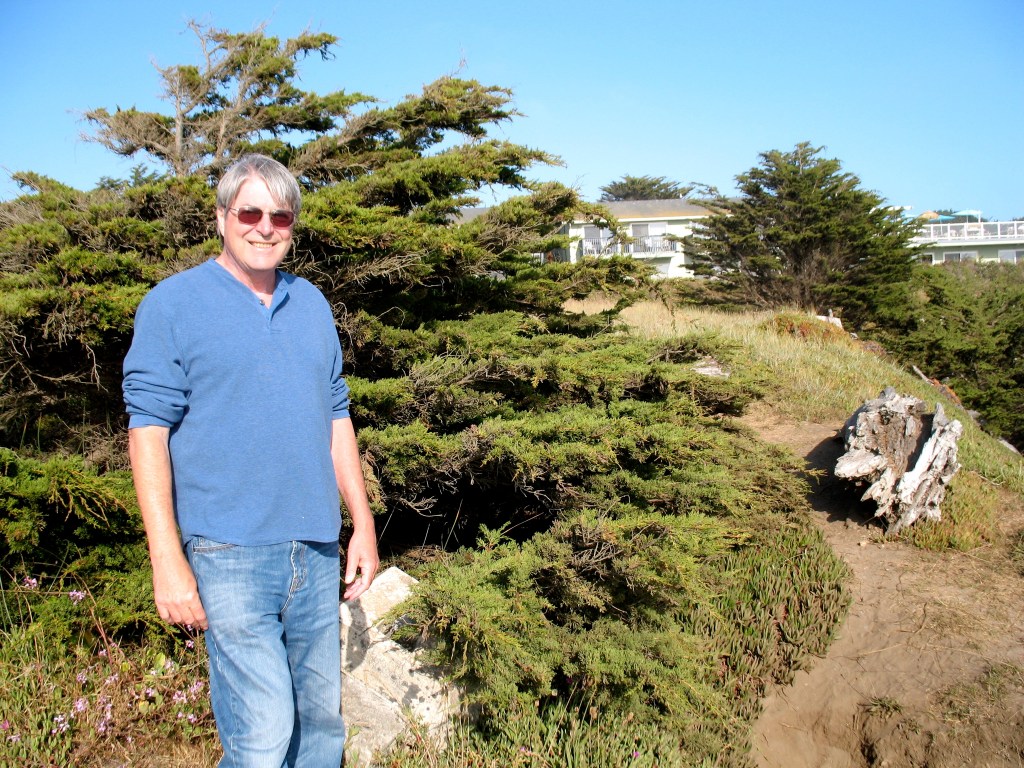
The famous “geezer model” on a trip to the northern California coast (July 2009)

What am I working on next, you ask? That’s a very big question at the moment. I have no concrete ideas for a new book, and I’ve been writing short essays in the meantime, just to keep my creative juices flowing. I identify those essays as part of my Mosaic Memoir, but I have no idea whether they will cohere as a book project or simply live as separate essays. My next concrete writing task, however, is to start working on the “matter” (details and insights that will become useful for publicity and marketing once the book is published), so I’ll be ready when Sunbury gives me a publication date and assigns an editor.

What to Do With a Mosaic Memoir?

(January 19, 2021)

Last month, I promised to write a bit more about my “mosaic memoir” process, but first a quick update about editorial work on Finding Sisters. I’m still inching up the queue, and I’ve learned a lot about the process for the editorial staff at Sunbury Press. The “waiting to be assigned” queue isn’t necessarily a linear progression, as I had first imagined. Each editor works on multiple manuscripts of different lengths at any given time (some being assigned more projects than others, depending on their status as full or part time editors), and while Sunbury has a wide variety of imprints (from young adult fiction to literary and historical fiction to fantasy/horror to self-help books and more) as well as their primary focus on non-fiction manuscripts of all kinds, their editors do not seem to specialize in one genre of book over another. This means that the time needed to edit each manuscript can vary wildly. It’s also possible that occasionally the head of the company might pull a manuscript on a particularly “hot topic” (such as books related to the pandemic) out of the queue and advance it to the head of the line. Though there are still only a handful of books ahead of mine in the “to be assigned” queue, there’s really no way of telling when the editing process might start for me.

I’ll share that process with you when it happens, but it’s hard to know for sure when that might occur. So, in the meantime, I’ll explain more about the essays that make up what I was calling a “mosaic memoir” in my post last month. Due to a really interesting exercise suggested by the facilitator of my writing group, I discovered something surprising about those essays. The directive was to give a working title and subtitle to the projects (mostly memoirs) we were each working on, with the goal of telegraphing to our reading audience the main topic or theme of our manuscript in progress. In other words, “what’s my story about?” Members of the writing group shared our titles at our last Zoom meeting before our holiday hiatus.

The first step for me in preparing for the exercise was to list and characterize each of the 14 essays I’d drafted so far for the mosaic memoir project, and in doing so, I discovered that the essays were evenly split in type and that there was no way to give the current collection of essays a single title. There were actually two books in progress! Not only that, I was able to list several new essays/chapters that I want to write for each project. Exciting stuff.

The first thing I realized was that I had written more than I had realized about my late-in-life second marriage, including my husband’s unexpected death from sudden cardiac arrest just months after being pronounced totally healthy by his doctors. That has now become a different project for me. It will become a much more traditional memoir and, like the story in Finding Sisters, will cover a specific time in my life (2004-present). It will have anecdotal information that anyone on a similar grief journey might find useful, but it will not be a self-help book. Instead, it will be the story of those years in my life, my interactions with my husband, and the people and actions that helped me to survive and eventually even thrive again after his death. I’ve given it a working title of Adventures with the Bartender: Finding and Losing the Love of My Life in Six Short Years. For those who don’t know, my husband owned and ran a small Adirondack hotel for seven years and loved to serve drinks to guests in our house, especially when we had parties, thus earning himself the nickname “The Bartender” among our friends. He earned another nickname, “The Geezer Model,” because of his good-natured indulgence of me and my camera when I wanted to take his picture, which was often, especially when we were traveling.

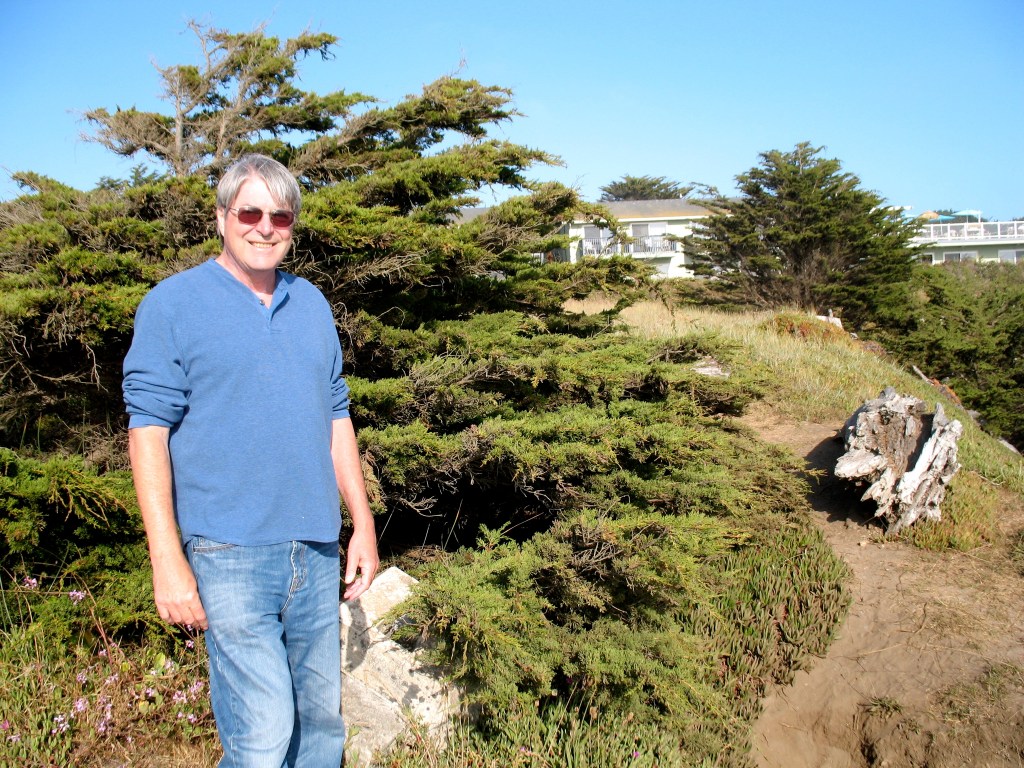
The Geezer Model on a hillside above the beach in northern California (July 2009)

For those who let me know after last month’s blog about their interest in the concept of the mosaic memoir, I want to reassure you that project is still very much a reality, though likely a lower priority at the moment than the new memoir about my widow journey. One close friend wrote me a note after learning about my mosaic memoir idea telling me she heartily approved and sharing information about an early 20th century Italian poet, Cesare Pavese (1908-1950), who famously said, “We do not remember days, we remember moments.” A former student who now teaches and performs internationally loved the idea of a mosaic memoir, and he explained to me, “Mosaic is my favorite content-process metaphor. In all my classrooms and performances, I always tell students/audiences: ‘Don’t look for a thread, we’re not following anything, keep your eyes in soft focus, the picture will begin to emerge eventually.’” And that’s exactly the point of this second project with the current working title, Mosaic Memoir: Snapshots of My Life. Though I have seven essays already written about various threads or snapshots that are important in my life, and at least four more I want to write, there’s no obvious narrative through-line. At least, not yet. These essays cover various times and experiences in my life and have current working titles like “Tomboy,” “Like Mother Like Daughter,” “Losing my Voice,” and “Brothers of the Heart” (with “Sisters of the Heart” soon to come), among others.

There’s certainly no lack of writing topics for me, and I’m sure these projects will keep me busy for many months to come. For anyone who worries that they might not have enough to say to write a memoir, I suggest you might try the mosaic approach. It’s amazing what comes up in one’s memory to write about when there’s no pressure to have a specific structural plan for a book!

For my next entry, I hope to be able to report on the start of my editing process for Finding Sisters, but I’m not holding my breath. In any case, I’m sure I’ll find something interesting to share with all of you about my two newest projects.

So, What’s Next?

(July 10, 2020)

Due to heat, humidity, and an out-of-control pandemic (at least it seems so in the US), this entry will be a bit shorter than usual. And I’ve got almost no illustrations to share at this point. Just my thoughts. Hopefully you will enjoy it anyway.

So, when you are deep in the throes of writing a book that has been your obsession for the past decade, still working full time, and you are starting to adjust to widowhood, living alone, and finally starting to feel quasi-normal, what might you do in your spare time when you find some? DNA testing is not the first activity that might come to mind, but it’s something a friend talked me into doing in early 2014 while I was deep in the research, transcription, and early writing for Keeping the Lights on for Ike. At first, not much happened once my DNA sample was in the database. Oh, there were lots of distant relatives, but when you don’t really know anything about family names or possible biological connections, it’s more confusing than helpful to see all those names as third, fourth, fifth, or even more distant cousins. And since I had almost no real clues about my genetic parentage, there was nothing there that got me excited, at least not yet. Another year passed. Research and transcription work on the WWII book was nearing completion, and the book itself was getting closer to having a real shape and focus, which definitely gave me something to write about regularly. But then in early 2015, a distant cousin contacted me, and my serious genealogical searching kicked into high gear, at the same time as the other book started to take off in my mind.

I suppose all writers have this problem at some level or another: one book/essay/play/poem/story/whatever is in active process and taking most of one’s creative focus, and another is just at the germination stage in one’s mind, though it’s alive and cooking and starting to become “something,” whatever that might be. This dual consciousness is an interesting place to be, that’s for sure. The correspondence between me and my “cousin” (the exact relationship wasn’t yet clear, since I knew so little about my own beginnings, but he already had some theories) was active and exciting, but the only thing I could do, given my goals for the WWII book, was to respond to all the new info coming in via email and to start a file of all this unexpected information that was coming in fast and furious, thanks to the genealogical expertise of this new cousin.

I don’t know about other writers, but I have both electronic and paper files for LOTS of different experiences and ideas, some of which have become published or performed work, and some of which have never seen the light on day since first being written down and saved. In fact, in spite of paring down considerably when I retired from full time teaching, I still have more paper files in my house than many folks I know. In response to this fascinating new info, I started keeping genealogy files in my filing cabinet and on my computer, though at this point, I was mostly the recipient of information, not the generator of it. But things were about to change dramatically, and that’s exactly what my new book, Finding Sisters, is all about.

Next month, I’ll share a bit more about how my genealogy journey unfolded and what it was like to start writing, not about my adoptive parents, but about the search for my genetic ones.